


Beyond the Scoreboard: How Recreation & Sports Strengthen Body, Mind, and Community
Why Recreation & Sports Matter in Everyday Life
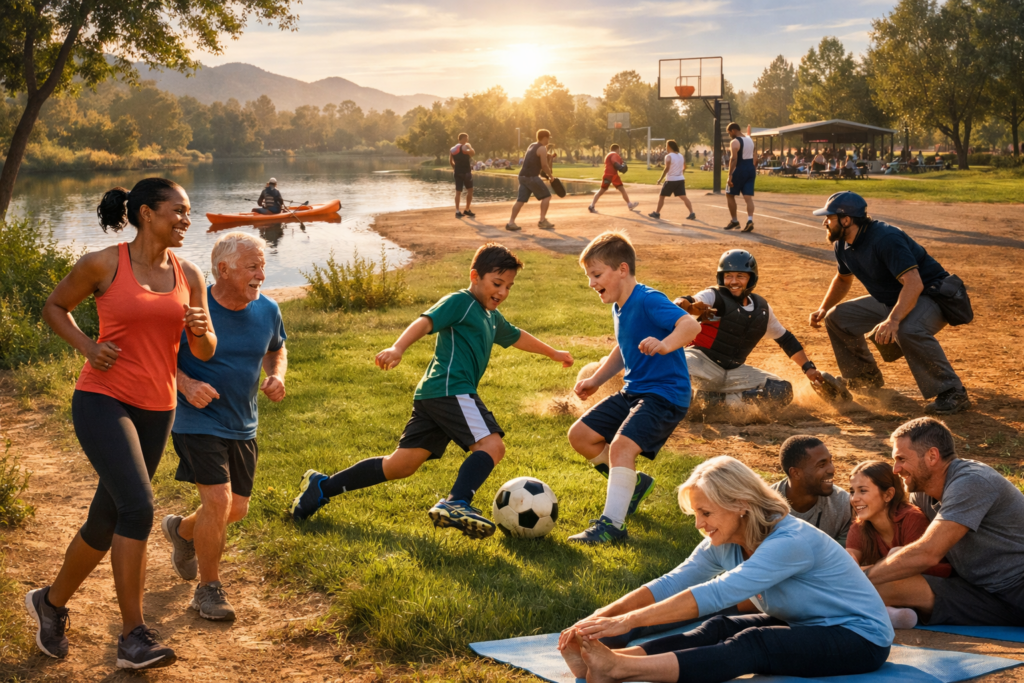
Recreation and sports are often grouped together, but their shared value is clearer than their differences: both help people move, connect, and reset. In a world where work and screen time can dominate routines, recreational activity—whether a casual weekend hike or a structured league match—creates space for play, challenge, and recovery. Beyond entertainment, these activities influence physical health, mental resilience, and social bonds in ways that ripple through families, schools, and neighborhoods.
Recreation vs. Sports: What’s the Difference?
Recreation is broad and flexible. It includes any enjoyable activity pursued during leisure time—walking, swimming, cycling, dancing, yoga, pickup games, or outdoor adventures. Recreation is often self-paced, with goals defined by personal satisfaction, stress relief, or general fitness.
Sports are typically more structured. They often involve formal rules, training, skill development, competition, and sometimes officiating. Sports can be team-based (soccer, basketball) or individual (tennis, track, martial arts), but they usually include measurable performance outcomes.
Importantly, recreation and sports exist on a continuum. A friendly weekend soccer game may be recreational for one player and competitive training for another. The best approach is the one that aligns with your goals, time, and interests.
The Health Benefits: More Than Just “Getting Fit”
Physical well-being
Regular movement improves cardiovascular health, strengthens muscles and bones, and supports mobility across the lifespan. Weight-bearing activities can help maintain bone density, while endurance activities improve heart and lung function. Even moderate recreation—like brisk walking—supports metabolic health and can reduce the risk of chronic disease.
Mental and emotional resilience
Recreation and sports are powerful tools for managing stress. Physical activity can improve mood, support better sleep, and provide a sense of accomplishment. Sports also train emotional regulation: athletes learn to handle setbacks, stay focused under pressure, and rebound from mistakes—skills that translate directly to school and work.
Social connection and belonging
Team sports and group recreation create shared identity. Being part of a club, league, or class can reduce isolation and foster accountability. For young people, sports can offer mentorship and positive peer networks; for adults, they can rebuild community ties that often weaken after school years.
Skills Recreation & Sports Teach That Last a Lifetime
While fitness is the most visible outcome, the quieter benefits often matter more over time:
- Goal-setting: Training plans, personal bests, and progressive challenges encourage long-term thinking.
- Discipline and consistency: Improvement comes from repeated effort, not one-time motivation.
- Communication: Team play rewards clear signals, supportive feedback, and conflict resolution.
- Decision-making: Many sports require rapid choices under changing conditions.
- Confidence: Mastering skills—learning a swim stroke, landing a tennis serve—builds self-efficacy.
Choosing the Right Activity for Your Life
The “best” sport or recreation is the one you can do consistently and enjoy. A realistic fit usually depends on four factors: access, time, physical comfort, and motivation.
- For busy schedules: Short, repeatable activities like running, bodyweight workouts, or lunchtime walks.
- For low-impact needs: Swimming, cycling, rowing, yoga, or Pilates.
- For social motivation: Recreational leagues, group fitness classes, hiking clubs, or martial arts schools.
- For variety seekers: Seasonal rotation—indoor climbing in winter, paddling in summer, soccer in fall.
If you’re returning after a long break, start with recreation before competition. A foundation of mobility, endurance, and basic technique reduces frustration and lowers injury risk.
Making It Sustainable: Habits That Keep You Playing
Start smaller than you think
A common mistake is beginning with an intense plan that’s hard to maintain. Consistency beats intensity for long-term progress. Aim for a schedule you can keep during busy weeks—then scale up gradually.
Prioritize recovery
Recreation and sports should energize you, not drain you. Include sleep, hydration, and rest days. Gentle movement—like stretching, walking, or easy cycling—can support recovery without adding stress.
Invest in basics, not gimmicks
Comfortable footwear, appropriate protective gear, and safe technique matter more than expensive equipment. For sports with higher impact or contact, consider instruction early; a few coaching sessions can prevent months of bad habits.
Build community into your routine
People stick to activities when they feel connected. Joining a local club, scheduling with a friend, or signing up for a recurring class turns exercise into an appointment rather than a decision you must renegotiate daily.
Safety and Inclusivity: A Stronger Playing Field
Healthy sports culture balances challenge with care. Warm-ups, cool-downs, and gradual increases in workload help prevent common overuse injuries. Listening to pain signals, not just pushing through them, is a mark of maturity—not weakness.
Inclusivity matters, too. Recreation and sports should be welcoming across age, body type, ability level, and background. Adaptive sports programs, accessible trails, and beginner-friendly leagues make participation possible for more people. Communities that invest in parks, courts, and safe sidewalks aren’t just building amenities—they’re building public health infrastructure.
The Bigger Picture: Recreation and Sports as Community Builders
Local games, fun runs, and community centers can transform neighborhoods by creating shared spaces and shared rituals. Sporting events bring together volunteers, coaches, parents, and fans. Recreational facilities support informal connection—people talk on trails, at playgrounds, and in swim lanes. These interactions create social trust, which strengthens communities in ways that statistics can’t always capture.
Conclusion: Play With Purpose
Recreation and sports offer a rare combination: they’re enjoyable in the moment and beneficial in the long run. Whether you want better health, a clearer mind, or a stronger community, the path is the same—show up, start small, and keep playing. Over time, the real victory is not a trophy or a record, but a life that feels more capable, connected, and alive.