

The Sweet Science Unpacked: How Boxing Blends Craft, Courage, and Calculation
Boxing at a Glance: Why It’s Called the “Sweet Science”
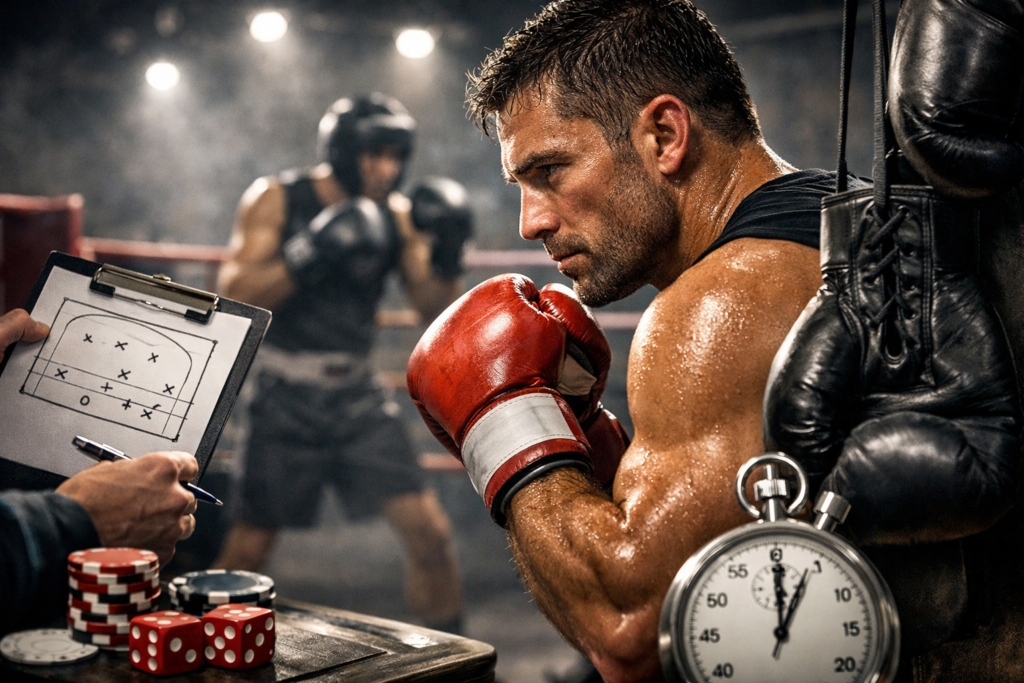
Boxing is a combat sport built on a deceptively simple objective: land clean punches while avoiding being hit. Yet at higher levels, the sport becomes a complex contest of distance management, rhythm, anticipation, and psychological pressure. The phrase “the sweet science” captures that duality—boxing is both physical and analytical, where small decisions about foot placement, angle changes, and punch selection can decide an entire fight.
From amateur tournaments in community gyms to championship bouts staged under bright lights, boxing’s appeal endures because it offers a clear narrative of competition. Two athletes enter with contrasting styles and strategies, and over a set number of rounds they attempt to impose their game plan in real time.
Core Rules and the Structure of a Bout
A standard boxing match is divided into rounds, with a brief rest between each round. Professional bouts commonly range from 4 to 12 rounds, while amateur contests are typically shorter. Fighters wear padded gloves, mouthguards, and (in amateur formats) may have additional protective requirements depending on the governing body.
A bout can end in several ways:
- Knockout (KO): A fighter is unable to rise and continue before the referee’s count ends.
- Technical Knockout (TKO): The referee, ringside doctor, or a fighter’s corner stops the contest due to inability to safely continue.
- Decision: If the fight goes the distance, judges score each round and award a winner by points (unanimous, split, or majority decision), or declare a draw.
Referees enforce rules related to holding, hitting behind the head, low blows, and other fouls. Penalties can include warnings, point deductions, and disqualification. These safeguards matter because boxing is inherently high-impact; the rules aim to protect athletes while preserving competitive fairness.
Scoring: What Judges Are Actually Watching
Most professional bouts use the 10-point must system: the winner of a round typically receives 10 points, and the other fighter receives 9 or fewer depending on knockdowns, dominance, or point deductions. In close rounds, judges weigh several criteria rather than simply counting punches.
Key scoring criteria
- Clean, effective punching: Quality matters—straight, well-timed shots that land clearly tend to score more than glancing blows.
- Effective aggression: Moving forward is not enough; aggression must lead to meaningful offense.
- Ring generalship: Controlling the pace and positioning—dictating where exchanges happen and on whose terms.
- Defense: Making the opponent miss through head movement, footwork, blocking, and counters.
This is why spectators can disagree with decisions: two judges might value different aspects of effectiveness in a tight round. Understanding the scoring lens helps explain why a fighter who appears “busier” may still lose rounds if their punches are not landing cleanly or they are being countered sharply.
Fundamental Techniques: The Building Blocks of Style
At its foundation, boxing is a conversation of positioning and timing. Fighters use stance, footwork, and a limited but highly adaptable set of punches to create openings and take away options.
Primary punches
- Jab: A quick lead-hand punch used to measure distance, disrupt rhythm, and set up combinations.
- Cross: A powerful rear-hand straight that often follows the jab.
- Hook: A curved punch targeting head or body, effective at mid-range.
- Uppercut: A rising punch ideal against opponents who lean forward or guard high.
Defense is equally essential. Slipping, rolling, parrying, blocking, and clinching are not “avoidance”—they are tools that preserve energy and create counterpunching chances. Footwork ties everything together: a fighter who can step off the centerline, pivot out of danger, or close distance safely often controls the fight’s geometry.
Training: Conditioning Meets Repetition
Boxers train for endurance, explosiveness, durability, and precise skill under fatigue. A typical camp combines technical sessions with intense conditioning to prepare for the unique demands of rounds that require repeated bursts of effort and rapid recovery.
Common training components
- Shadowboxing: Practicing technique, combinations, and movement without a partner—often used to refine form and rhythm.
- Heavy bag and pads: Building power, accuracy, and combination flow; pads also train timing and reactive defense.
- Sparring: Controlled fighting used to test strategies and composure. Good gyms manage sparring intensity to reduce unnecessary damage.
- Roadwork and intervals: Steady runs for aerobic base and sprint intervals for fight-like bursts.
- Strength and mobility: Core strength, posterior-chain development, and joint resilience to support punching mechanics and injury prevention.
Elite conditioning is not just about toughness; it is about maintaining decision-making under stress. When fatigue rises, footwork slows, hands drop, and reactions become predictable—exactly when a well-prepared opponent can capitalize.
Weight Classes and Strategy: A Game of Matchups
Boxing uses weight classes to create fairer matchups by limiting large size disparities. Even so, physical attributes still shape tactics. Taller fighters may use long jabs and straight punches to control distance, while shorter fighters often rely on head movement and body work to close the gap. Southpaws (left-handed stance) can present different angles and foot positioning battles that change how combinations are built.
Ring IQ—knowing when to pressure, when to reset, and when to conserve—is often the separator between good fighters and great ones. Some boxers excel as counterpunchers, inviting attacks to create openings. Others overwhelm opponents with volume, while a few specialize in subtle control: steering the opponent into bad positions, making them miss, and punishing mistakes.
Safety, Ethics, and the Sport’s Ongoing Evolution
Boxing’s risks are real, and the sport continually adapts through medical protocols, improved gloves, and stricter officiating. Pre-fight exams, ringside physicians, and post-knockout suspensions are designed to reduce harm, but debate remains about best practices and long-term health. Responsible gyms emphasize technical development, controlled sparring, and athlete education—especially for younger boxers.
At the same time, boxing is evolving as audiences consume highlights, analytics, and behind-the-scenes training content. Interest in women’s boxing has expanded significantly, and more fighters are gaining visibility across global markets. Despite shifts in promotion and media, the sport’s essence remains: two trained athletes testing skill and nerve within a strict rule set.
Why Boxing Still Captivates
Boxing endures because it is intimate and exacting. It rewards discipline, creativity, and composure under pressure. Every feint, pivot, and jab carries meaning, and momentum can change with a single well-timed counter. For fans and participants alike, boxing offers a rare blend of art and competition—one where strategy is written in motion, and outcomes are earned one round at a time.